Flat roofing
Got a leaking flat roof on your home, addition or patio? We install and repair flat and low-slope roofing systems across South Florida, TPO, PVC, modified bitumen, and BUR, with full HVHZ compliance and permits handled on our end. Book your free roof inspection today.
What Is Flat Roofing?
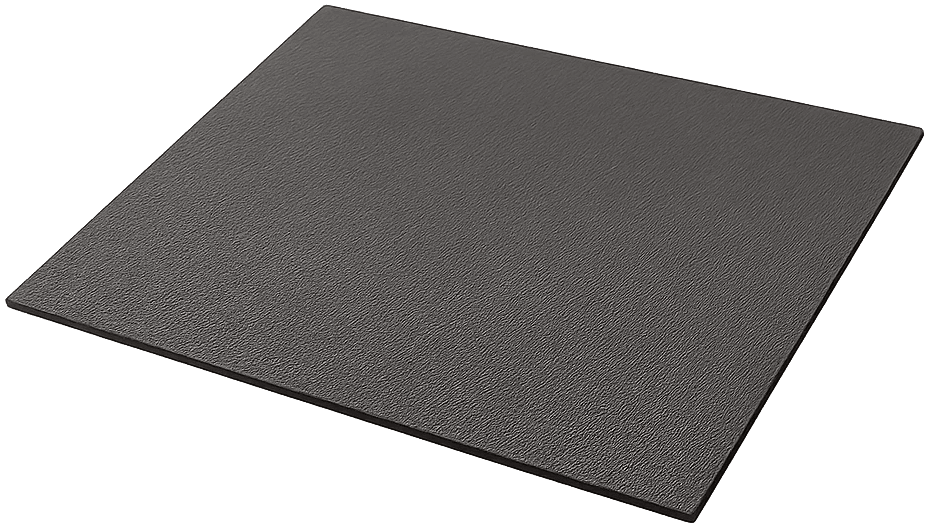
Flat roofing uses continuous membrane systems applied across a roof deck with minimal pitch. Rather than shedding water through slope, flat roofs rely on a watertight membrane and internal drainage systems to move water off the surface. The most common systems in South Florida are single-ply membranes (TPO and PVC), modified bitumen, and built-up roofing (BUR). Each has different installation methods, performance characteristics, and appropriate applications.
Is Flat Roofing a Good Fit for Your Property?
Flat and low-slope systems are common on South Florida additions, garages, Florida rooms and modern-style homes.
Additions, garages and Florida rooms
Many South Florida homes have a flat section over an addition, garage or Florida room. These sections need their own membrane system, rated for South Florida’s wind and rain loads.
Modern and flat-roof residential homes
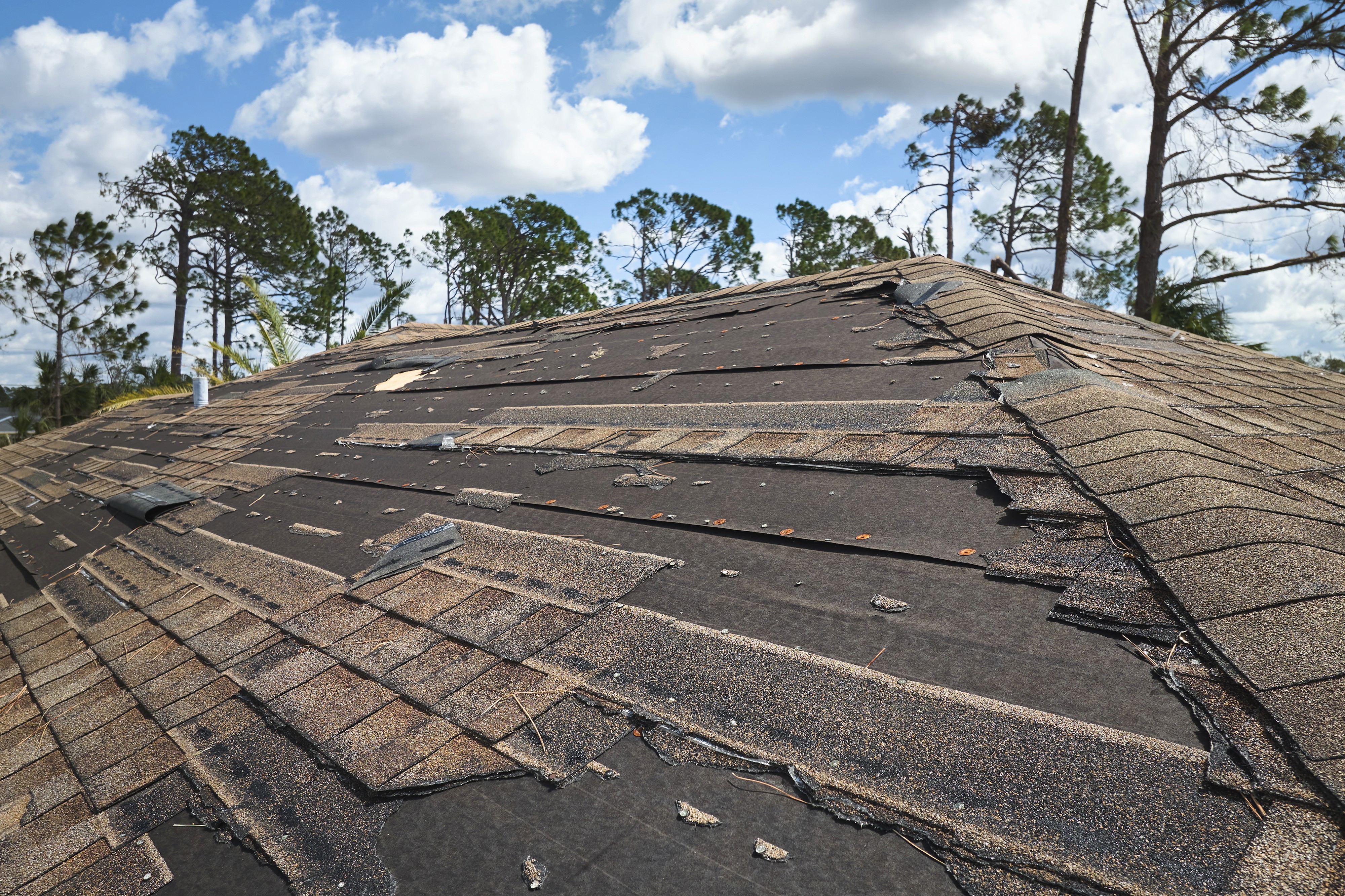
Contemporary South Florida home designs with flat or low-slope sections use single-ply or modified bitumen membranes. TPO and PVC are the most common residential flat roof choices for their reflective properties and durability in the heat.
Residential additions, garages, and covered areas
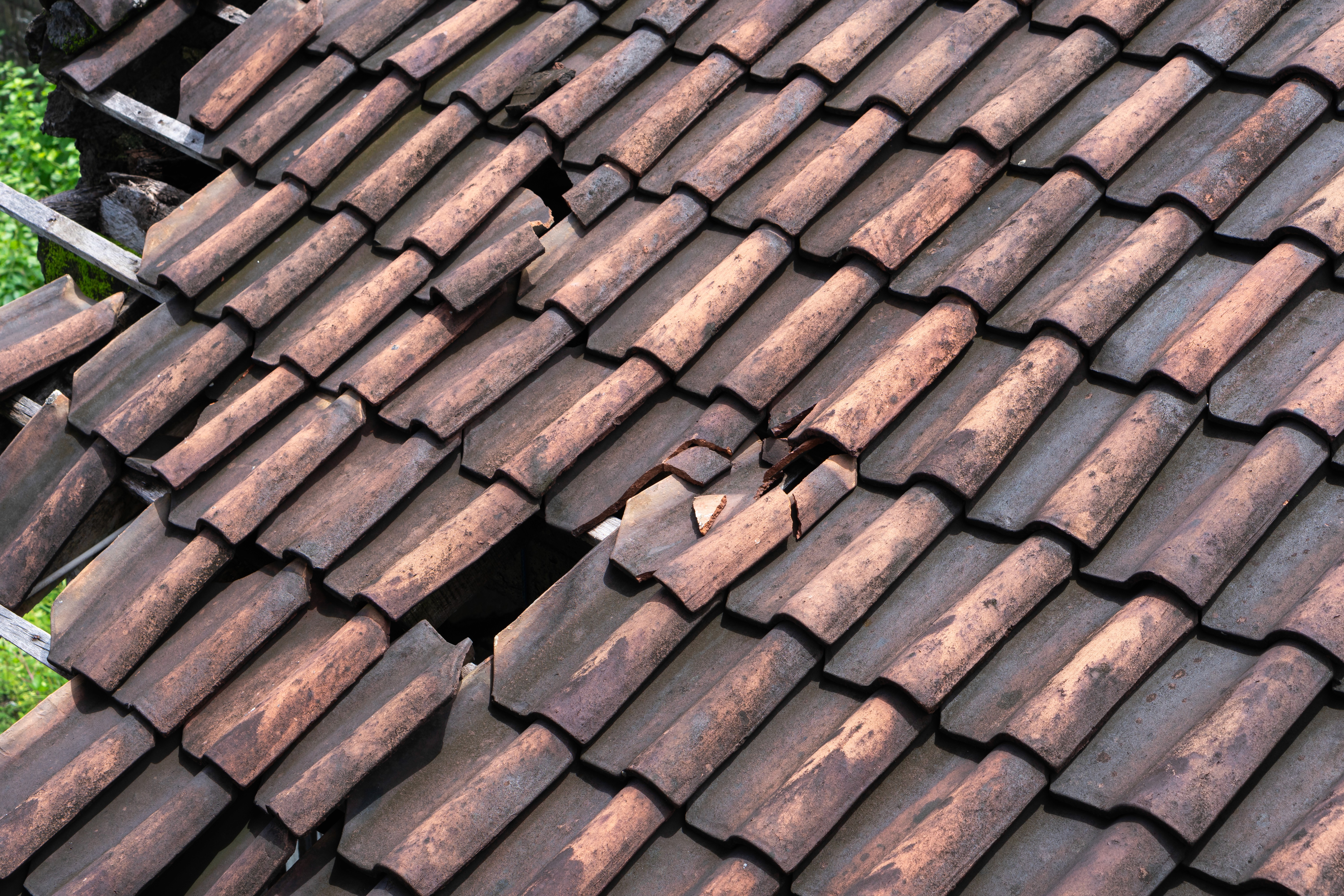
Patios, garages, and additions with low-slope roofs that don't match the pitch of the main house require flat roofing solutions. We handle both the main roof and any low-slope sections as a single permitted project.
Properties with persistent or recurring flat roof leaks
Flat roofs leak when the membrane fails at seams, penetrations, or drainage points, and in South Florida's daily afternoon downpours, a failed flat roof creates damage fast. If you've had the same flat roof repaired multiple times without a lasting fix, the membrane has likely reached end of life and needs full replacement rather than another patch.
Why South Florida Homeowners Choose Flat Roofing
South Florida's rain load, daily afternoon downpours for six months of the year, is among the most demanding environments for flat roofing in North America. The right system, properly installed, handles it reliably for 15 to 30 years.
HVHZ-compliant systems: single-ply and modified bitumen systems installed in Miami-Dade County require NOA-approved assemblies to meet wind uplift requirements.
Highly reflective membranes: TPO and PVC white membranes reflect solar heat, reducing rooftop temperatures and cutting cooling costs on South Florida's hottest days.
Seamless coverage on complex roofs: membrane systems can cover large, irregular flat roof areas without the interruptions that create leak points in tile or shingle systems.
Multiple system options for different budgets and lifespans: from modified bitumen at 15 to 20 years to TPO and PVC at 20 to 30 years, we match the system to the property and the budget.
Accessible for routine maintenance: flat roofs allow for periodic inspections and minor repairs without specialized access equipment.
Flat Roofing Options We Install
South Florida's climate narrows the field considerably for flat roofing. High UV exposure, heat, daily rainfall, and HVHZ wind requirements all factor into which system is appropriate for your property.
TPO (Thermoplastic Polyolefin)
The most widely installed single-ply membrane in South Florida. Heat-welded seams, highly reflective white surface, and strong wind uplift resistance. Typically lasts 20 to 30 years.
PVC (Polyvinyl Chloride)
Similar to TPO in appearance and installation but with greater chemical resistance, preferred for restaurant or kitchen exhaust areas where grease exposure is a factor. Also heat-welded. 20 to 30 year lifespan.
Modified Bitumen
A multi-layer asphalt-based system applied by torch, self-adhesion, or cold process. Well-suited to flat and low-slope sections of South Florida homes: durable, repairable and cost-effective.
BUR (Built-Up Roofing)
Multiple layers of bitumen and reinforcing fabric, one of the oldest and most proven flat-roof systems. Used where a thick, multi-ply membrane is specified.
How Long Does a Flat Roof Last in Florida?
Lifespan varies significantly by system. TPO and PVC single-ply membranes typically last 20 to 30 years in South Florida's climate. Modified bitumen runs 15 to 20 years. BUR systems, when properly maintained, can last 20 to 30 years. In all cases, routine maintenance, annual inspection and clearing of drainage points, extends service life and catches minor issues before they become major leaks.
South Florida's UV intensity and heat accelerate membrane aging faster than in northern climates. A roof that would last 30 years in the Midwest may reach the end of life in 20 years here, which is why the system specification and installation quality matter more than the product label alone.
Backed by Our Workmanship Warranty
Every new roof we install comes with our 7-year labor warranty in writing; repairs carry 1 year on the repaired area. That's separate from the manufacturer's material warranty, which varies by product line.
If something fails on our end, we fix it. That's what the warranty means.
Frequently Asked Questions About Flat Roofing in South Florida
Frequently Asked Questions About Flat Roofing in South Florida
Lifespan depends on the system. TPO and PVC single-ply membranes typically last 20 to 30 years. Modified bitumen runs 15 to 20 years. BUR systems can last 20 to 30 years with proper maintenance. South Florida's UV intensity and heat age membranes faster than in cooler climates, so the installation quality and product specification matter considerably.
What is the best flat roofing system for South Florida?
For most South Florida flat roofs on homes, TPO is the most common choice, it's reflective, durable, and holds up well under HVHZ wind requirements. PVC is preferred where chemical resistance is needed. Modified bitumen is a cost-effective, repairable option. The right system depends on your property type, roof size, and budget. A free inspection will give you a clear recommendation.
Why does my flat roof keep leaking after repairs?
Recurring leaks on a flat roof almost always mean the membrane has reached end of life and patches are no longer holding. In South Florida's daily rain, a compromised membrane fails quickly. If you've had the same area repaired more than twice without a lasting result, the membrane likely needs full replacement rather than another targeted repair.
How much does flat roof replacement cost in South Florida?
Flat sections on homes (additions, garages, patios) are priced individually after a free inspection. We provide a detailed, itemized estimate after a free on-site inspection.
Do flat roofing systems meet Miami-Dade County wind requirements?
Yes. Single-ply and modified bitumen systems installed in Miami-Dade County must carry NOA approval to meet HVHZ wind uplift requirements. Florida Top Roofs installs only NOA-approved systems and handles the full permit and county inspection process for every project across South Florida.