Clay Tile
Got cracked tiles, a failing underlayment, or a roof that's been leaking since the last storm? We repair and replace clay and concrete tile roofing across South Florida, with full HVHZ compliance, exact material matching, and the permits handled on our end.

What Is Tile Roofing?
Tile roofing uses individual clay or concrete units laid in overlapping rows over a rated underlayment system, creating a layered barrier against rain, wind, and UV exposure. The tiles themselves don't form the waterproof seal, the underlayment beneath them does. That's why tile roof repairs in South Florida almost always involve both the tiles and the membrane below them.
Is Tile Roofing a Good Fit for Your Property?
Tile roofing is the dominant residential system in South Florida for good reason, it handles the climate better than almost any other material. Here's where it performs best.
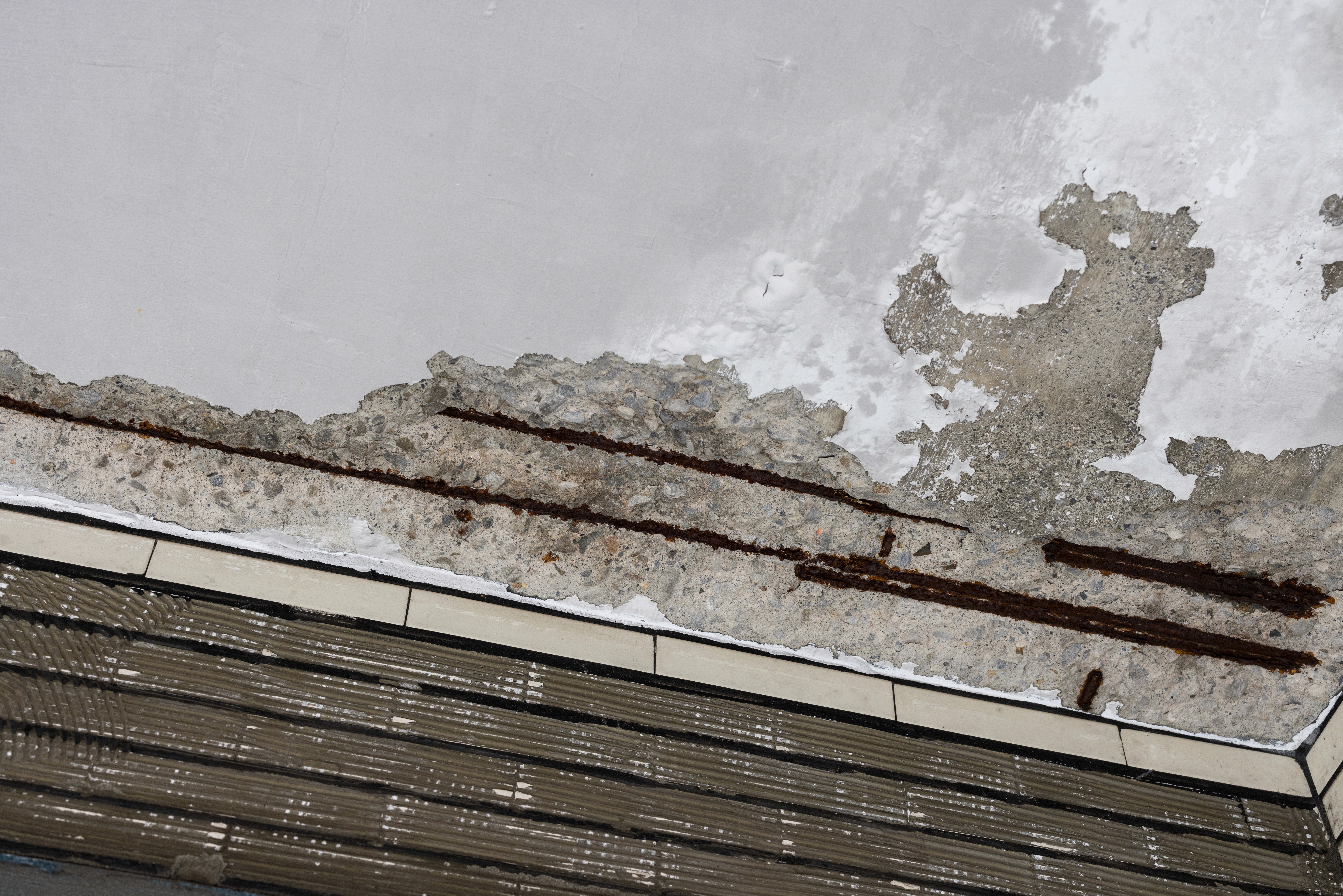
Mediterranean, and historic homes
Clay and concrete tile is the material of record for South Florida's architectural heritage. It's often the only material the local authority will approve on a replacement.
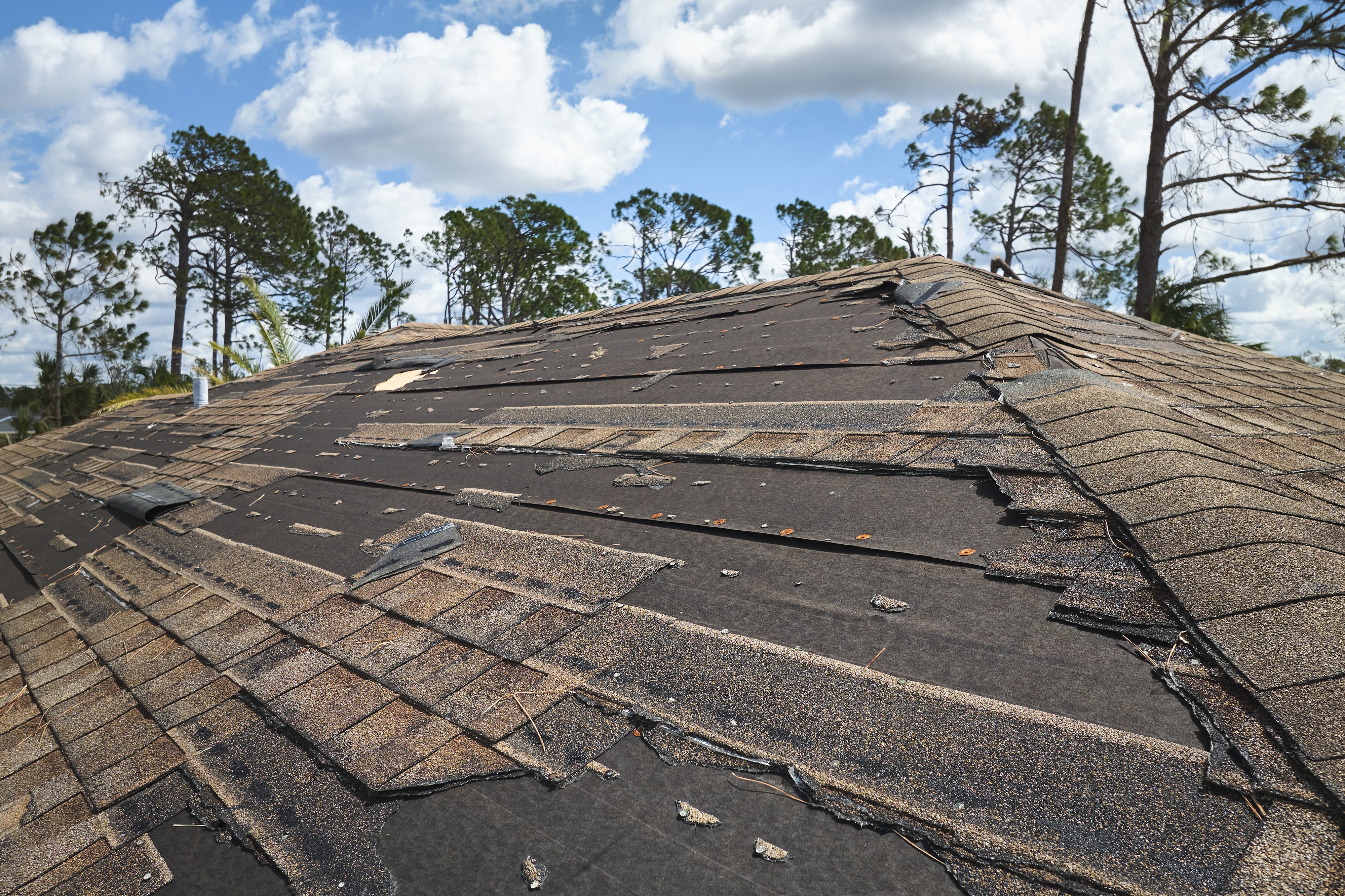
Properties in high-wind and coastal zones
HVHZ-rated tile assemblies, with the right underlayment and fastening pattern, are among the most wind-resistant systems available for steep-slope residential roofing in South Florida.
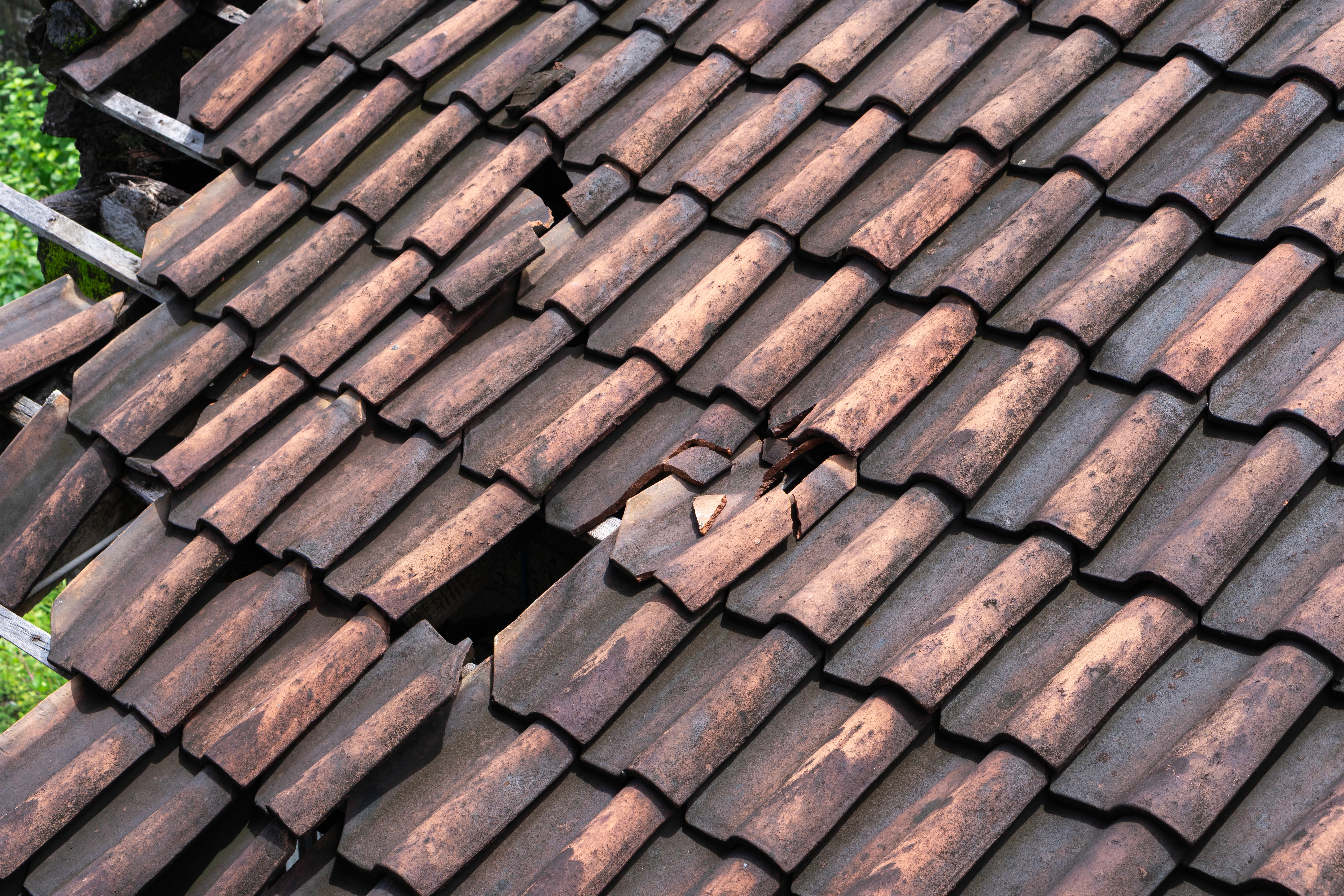
Long-term owners who want to stop replacing their roof
Flat roofs on commercial buildings accumulate water fast. If it's not draining within 48 hours, you have a drainage problem — and sooner or later, a leak problem.
Properties with aging underlayment beneath intact tiles
In South Florida's oldest residential stock, tiles often outlast the underlayment beneath them by 20+ years. The tiles look fine from the street, but the waterproof layer has failed, and the water damage is already happening inside. A tile-over underlayment replacement without removing the tiles is often the most cost-effective solution.
Why Homeowners in South Florida Choose Tile Roofing
South Florida's heat, humidity, and hurricane exposure push most roofing materials to failure. Tile handles all three, and improves with age.
HVHZ-compliant systems with Miami-Dade County NOA certification: every assembly we install meets the code requirements for the High-Velocity Hurricane Zone.
Withstands hurricane-force winds: properly fastened tile assemblies rated for South Florida's wind zones stay on the roof when lesser systems don't.
Reflects heat instead of absorbing it: clay and concrete tile naturally reduce the thermal load on your home, cutting cooling costs year-round.
Exact material matching on repairs: we source tiles to match your existing profile and color, avoiding the patched look that devalues a property.
50 to 100 years of service life: clay tile is the longest-lasting residential roofing material available in South Florida.
Tile Roofing Options We Install
Two primary materials dominate South Florida's tile roofing market, each with distinct performance characteristics and appropriate applications.
Clay Tile
The premier choice for South Florida's historic and architectural homes. Lighter than concrete, naturally resistant to salt air, and available in barrel, flat, and mission profiles. Lasts 50 to 100+ years.
Concrete Tile
A more affordable alternative to clay with comparable wind resistance. Heavier, which requires structural verification on older homes, but available in a wider range of colors and profiles. Typically lasts 40 to 50 years.
Flat Profile Tile
Low-slope aesthetic with clean lines, used on contemporary South Florida homes and some commercial properties where a traditional barrel profile isn't appropriate.
Barrel / S-Tile
The classic Spanish colonial profile, the standard for Mediterranean and historic revival homes across Coral Gables, Pinecrest, and South Miami neighborhoods.
How Long Does a Tile Roof Last in Florida?
Clay tile roofs in South Florida typically last 50 to 100 years. Concrete tile runs 40 to 50 years under normal conditions. In both cases, the underlayment system beneath the tiles will need replacement before the tiles themselves fail, usually every 20 to 30 years depending on the product and installation quality.
The practical implication: if your tile roof is 25 to 30 years old and has never had underlayment work, it likely needs attention, even if the tiles above look intact. A free inspection will tell you exactly what's going on beneath the surface.
Backed by Our Workmanship Warranty
Every installation we complete is backed by our workmanship warranty, coverage that varies by system type and scope. This system is covered for up to 12 years on workmanship. That's separate from the manufacturer's material warranty, which varies by product line.
If something fails on our end, we fix it. That's what the warranty means.
Frequently Asked Questions About Tile Roofing in South Florida
Frequently Asked Questions About Tile Roofing in South Florida
Clay tile roofs typically last 50 to 100 years in South Florida's climate. Concrete tile runs 40 to 50 years. In both cases, the underlayment beneath the tiles usually needs replacement every 20 to 30 years, often before the tiles themselves show visible wear.
Is tile roofing approved for Miami-Dade County?
Yes. Clay and concrete tile systems installed in Miami-Dade County must use NOA-approved assemblies that meet HVHZ wind uplift requirements. Florida Top Roofs installs approved systems and handles the full permit and inspection process for every job across South Florida.
What's the difference between clay and concrete tile?
Clay tile is lighter, naturally resistant to salt air, and lasts longer, up to 100+ years with proper underlayment maintenance. Concrete tile is more affordable and available in a wider range of profiles and colors, but is heavier, which may require a structural review on older homes. Both are strong performers in South Florida's climate.
How much does tile roof repair cost in South Florida?
Minor tile repairs, a few cracked or displaced tiles, typically run $300 to $800. If the underlayment beneath the tiles has failed, the cost increases significantly depending on how much of the roof needs re-felting. We provide a detailed, itemized estimate after a free on-site inspection.
My tiles look fine but I have a leak. What's happening?
This is the most common tile roofing problem in South Florida. The tiles themselves are intact, but the underlayment beneath them has reached the end of its service life and is no longer waterproof. Water enters at seams or cracks in the membrane and travels to the leak point, which may be far from where the water actually enters. An inspection will locate the real source.