Roof Repair
Roof Repair Services Built for South Florida’s Weather
Florida Top Roofs provides professional roof repair services throughout Miami and South Florida. Whether you're dealing with a small leak or significant storm damage, our licensed and insured roofing contractors deliver lasting repairs using premium materials. We understand the challenges that Miami's tropical climate poses to roofing systems, and we're equipped to handle any repair, big or small.
Book a Service
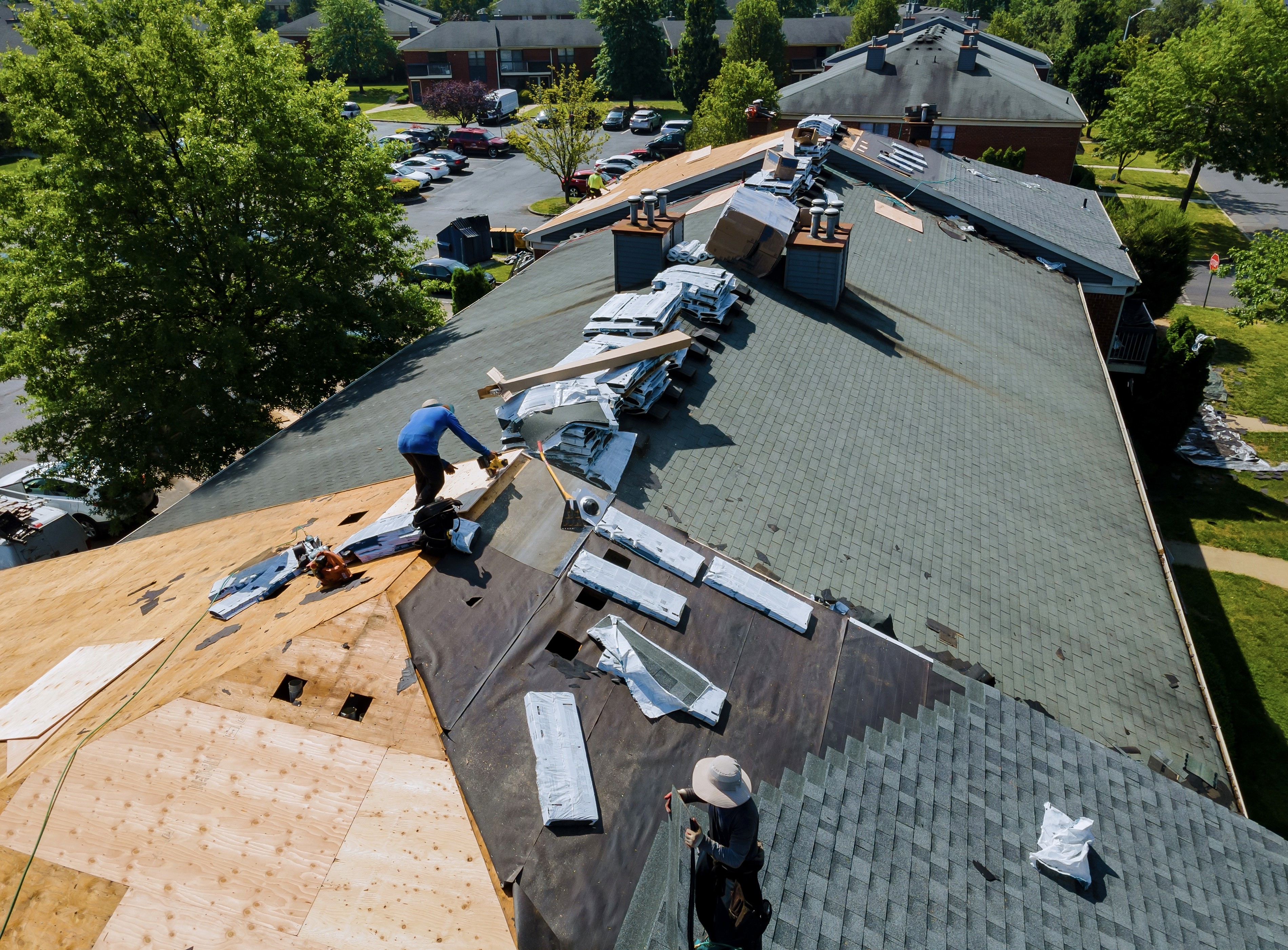
When Repair Makes Sense — And When It Doesn’t
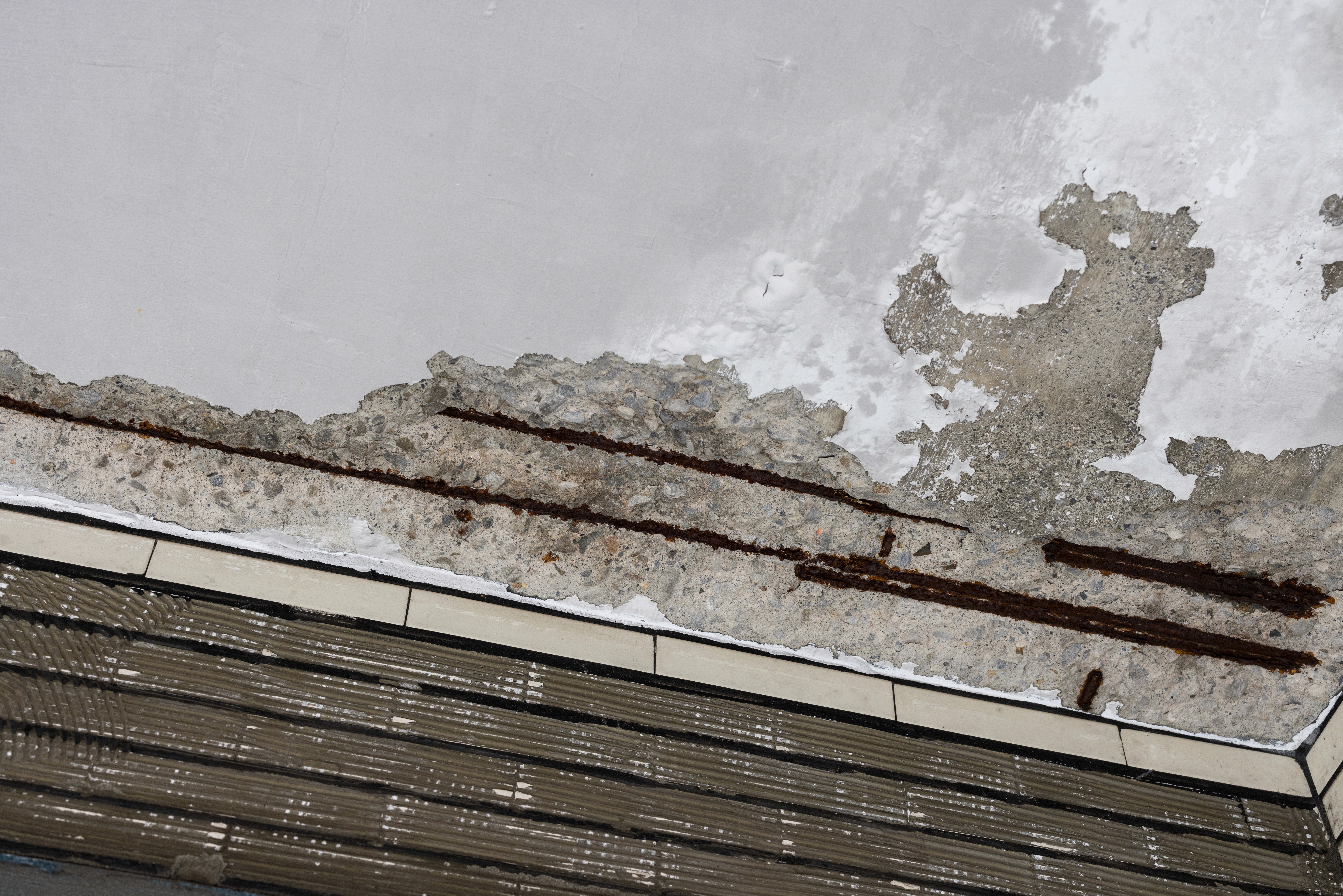
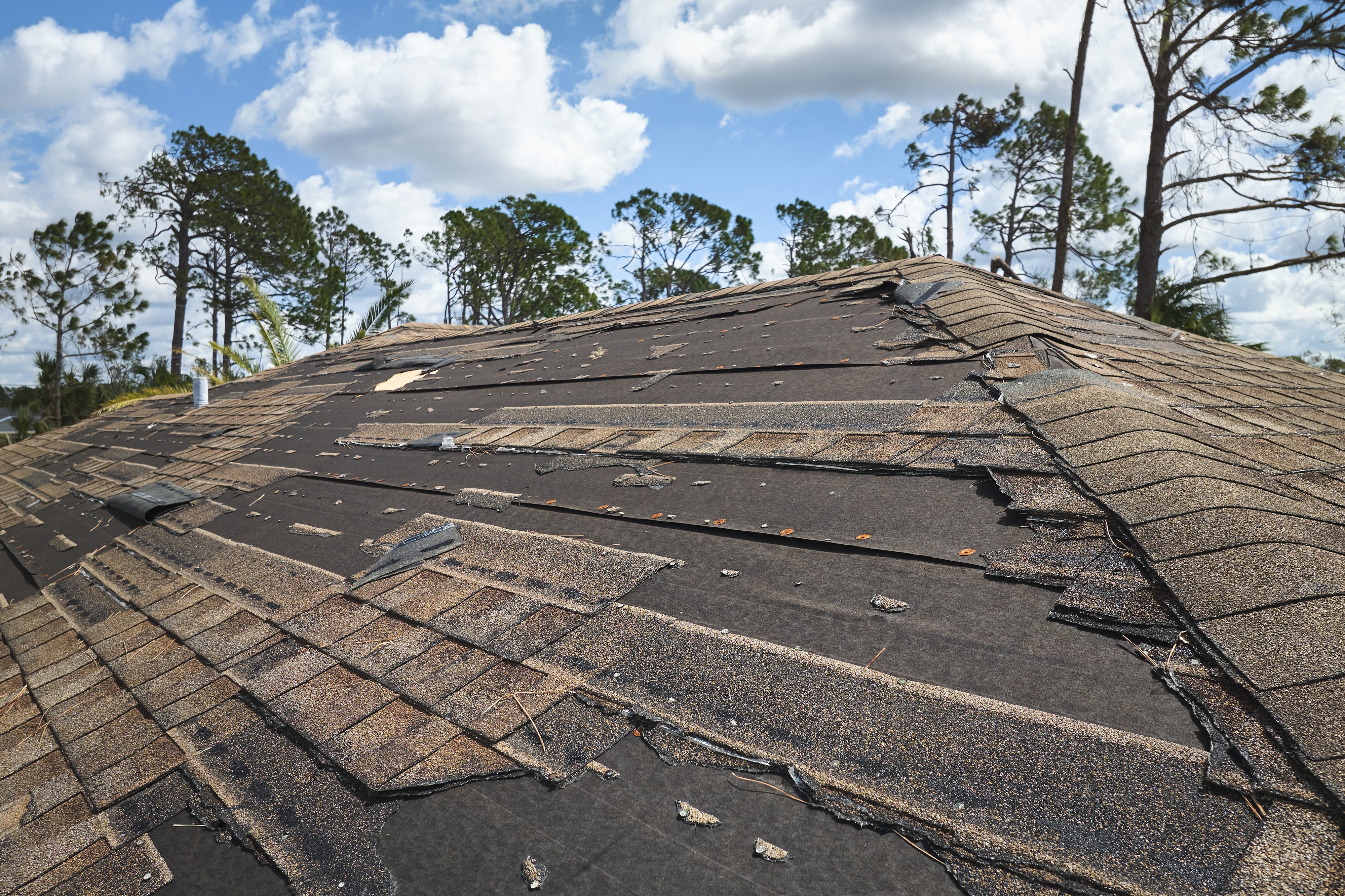
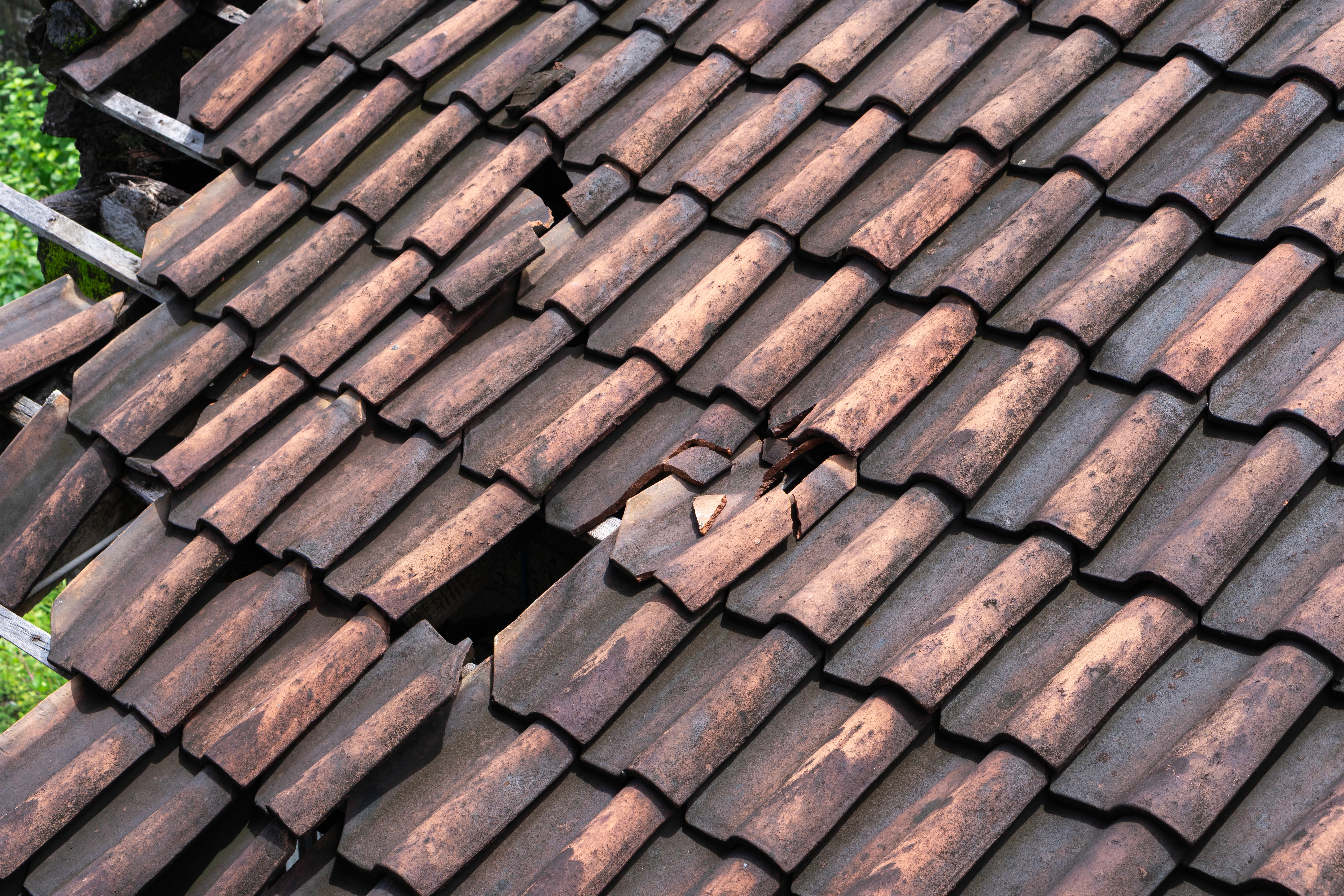
What Goes Into Roof Repair Costs in South Florida
Roof repair in South Florida costs more than the national average on most jobs. A few reasons are specific to this region.
Roof Material — Metal and tile repairs use different materials and take longer than shingle or flat membrane work. The system type sets the floor for what the job costs.
Extent of Damage — A single flashing replacement is a few hours. Storm damage across two slopes is a different project. Size of the affected area matters more than total roof size.
Permit Requirements — Some repairs trigger a permit requirement. When they do, you’re paying for the permit fee and factoring in inspection scheduling.
Emergency vs. Scheduled Work — Emergency roof repair cost more. A scheduled or maintenance visit is priced differently than showing up the same afternoon.
Roof Access and Slope — Steep pitches need more safety equipment and take longer. That shows up in labor cost.
Request an estimate and we'll respond with a detailed quote in under 30 minutes before committing to anything.
Why the Repair Matters Beyond the Leak
The leak is what you see. What's behind it — wet insulation, compromised decking, saturated framing — is what gets expensive.
Prevents moisture from spreading to structural components
Maintains roof integrity through the rest of hurricane season
Keeps your insurance claim options open — delayed repairs narrow them
Stops small damage from becoming a replacement conversation
Protects cooling efficiency when insulation stays dry
Gives the rest of the roof system a chance to reach its full lifespan
What Kind of Roof Damage Do We Fix?
Most roof problems fall into predictable categories. What changes in South Florida is how fast they develop. Salt air degrades metal faster. UV breaks down membranes in two to three years instead of five. A storm that’d cause cosmetic damage elsewhere causes structural damage here.
We Back Every Job With a Workmanship Warranty
Coverage varies by system. Shingle and flat cold applied: 5 to 7 years. Tile and TPO: 10 to 12. Metal: up to 15. Each material ages differently, that's why the numbers aren't the same. All of it is labor and materials, before work starts.
What you can expect on every job:
Licensed & Insured in Florida: We have direct experience navigating Miami-Dade HVHZ permit process, NOA packages, and county inspections.
Manufacturer-Certified Installation: Our crew are trained to manufacturer specs; backs your material warranty.
Post-Install Inspection: Every project closes with a full roof walkthrough and documented inspection report before we leave the job site
Roof Repair Services Across South Florida
We take roof repair jobs across Miami-Dade, Broward, and Palm Beach counties. Find your city below.
Frequently Asked Questions About Roof Repair in South Florida
How do I know if my roof needs repair or a full replacement?
Repair is suitable for localized damage on roofs under 15 years old with solid structures. Replacement is better if damage exceeds 30%, multiple areas fail, or previous repairs on the same section resurface.
How long does a roof repair take in South Florida?
Minor work — a sealed leak, a few shingles, a flashing replacement — is usually done same day or next day. Larger storm damage jobs run one to three days. If a permit is required, add time for the municipal inspection.
Do I need a permit for roof repair in South Florida?
Minor repairs usually don’t. Anything involving structural components, underlayment, or re-roofing a full section typically does. We check during the inspection and file when it’s required.
How often should I inspect my roof?
Twice a year. Before hurricane season starts in June, and after it ends in November. After any named storm, get an inspection regardless of whether you see visible damage. Wind and water find gaps that aren’t obvious from the ground.
Will my homeowner’s insurance cover the repair?
Storm damage usually is covered. Wear and deterioration usually aren’t. We write up what we find and give you documentation you can send to your adjuster — what gets approved depends on your policy and the cause.