
ROOFING PROJECTS
Residential Roofing Projects We Take On in Miami
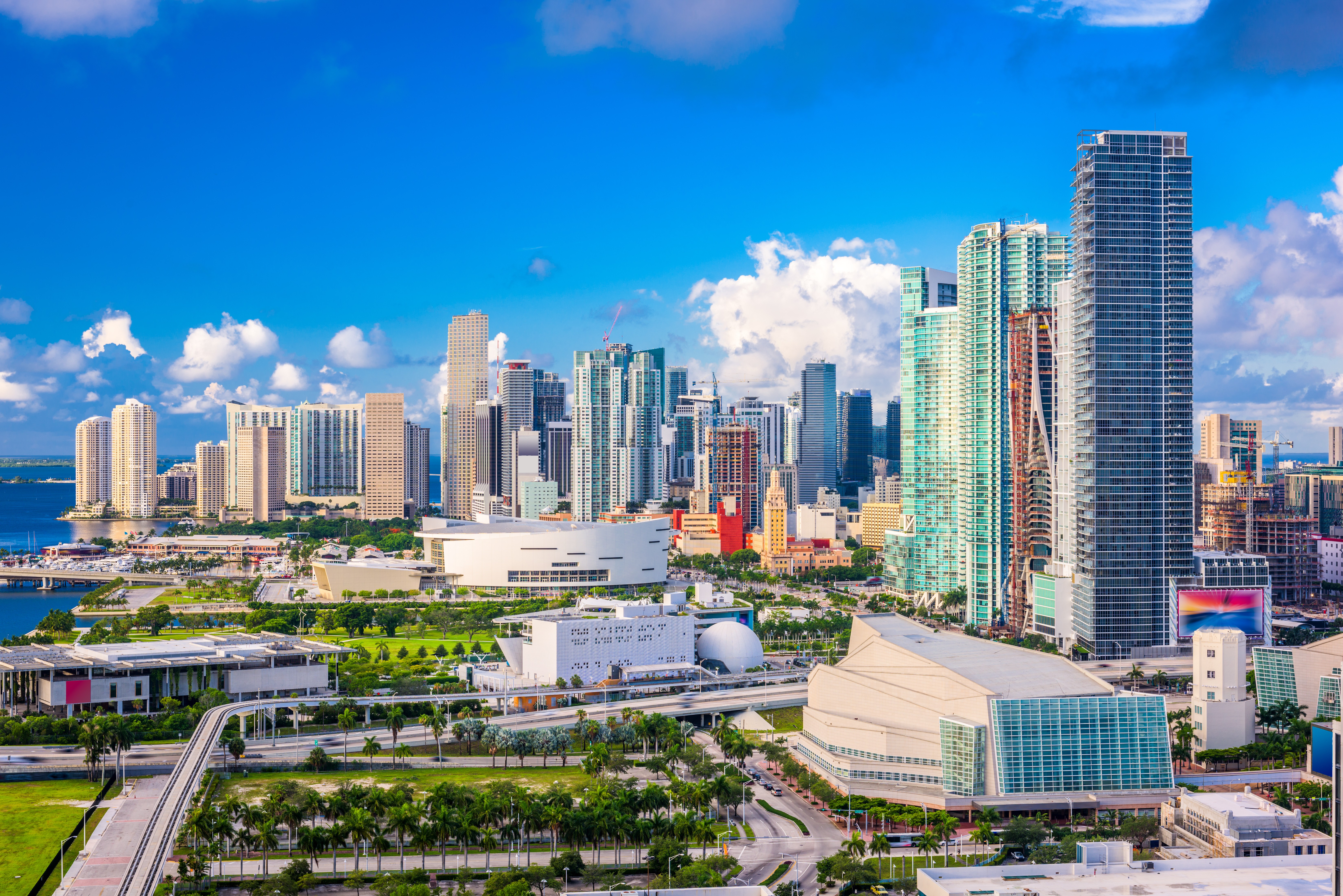
OUR LOCAL EXPERTISE
What Your Miami Roof Has to Pass
Inside City of Miami limits, roof permits come from the City of Miami Building Department: applications go through iBuild and plans through ePlan, and the City requires a permit for all roofing work, repairs included. Miami-Dade is part of the Florida Building Code’s High-Velocity Hurricane Zone (HVHZ), so every roofing product needs a Miami-Dade Notice of Acceptance (NOA) or Florida Product Approval. Much of the city’s housing is older — about 30% of housing units were built before 1960 (U.S. Census ACS 2020–2024). Miami also has more than 100 designated historic sites and 10 local historic districts, including Morningside, Buena Vista East and Palm Grove, and the City requires a Certificate of Appropriateness for work on historic properties.
Older Roofs Hiding Rot
On older Miami homes, the decking and underlayment under tile or shingles can be decades old. Leaks often start where you can’t see them from the street.
Salt Air Near the Bay
Miami is a coastal city. Close to Biscayne Bay, salt air is hard on metal flashing, drip edge, vents and fasteners, so we check them closely.
Flat Sections That Hold Water
Plenty of Miami homes have flat or low-slope roofs over porches, carports or additions. When rain sits after a downpour, the membrane wears out early.
OUR SERVICES
Roofing Services for Miami Homes
Roof repair, leak tracing, flashing, vent and skylight repairs, and full re-roofs — residential only, always permitted. We’re a retail roofer: you hire us directly and pay us directly for the work.

ROOFING SYSTEMS
Which Roof Fits Your Miami Home?
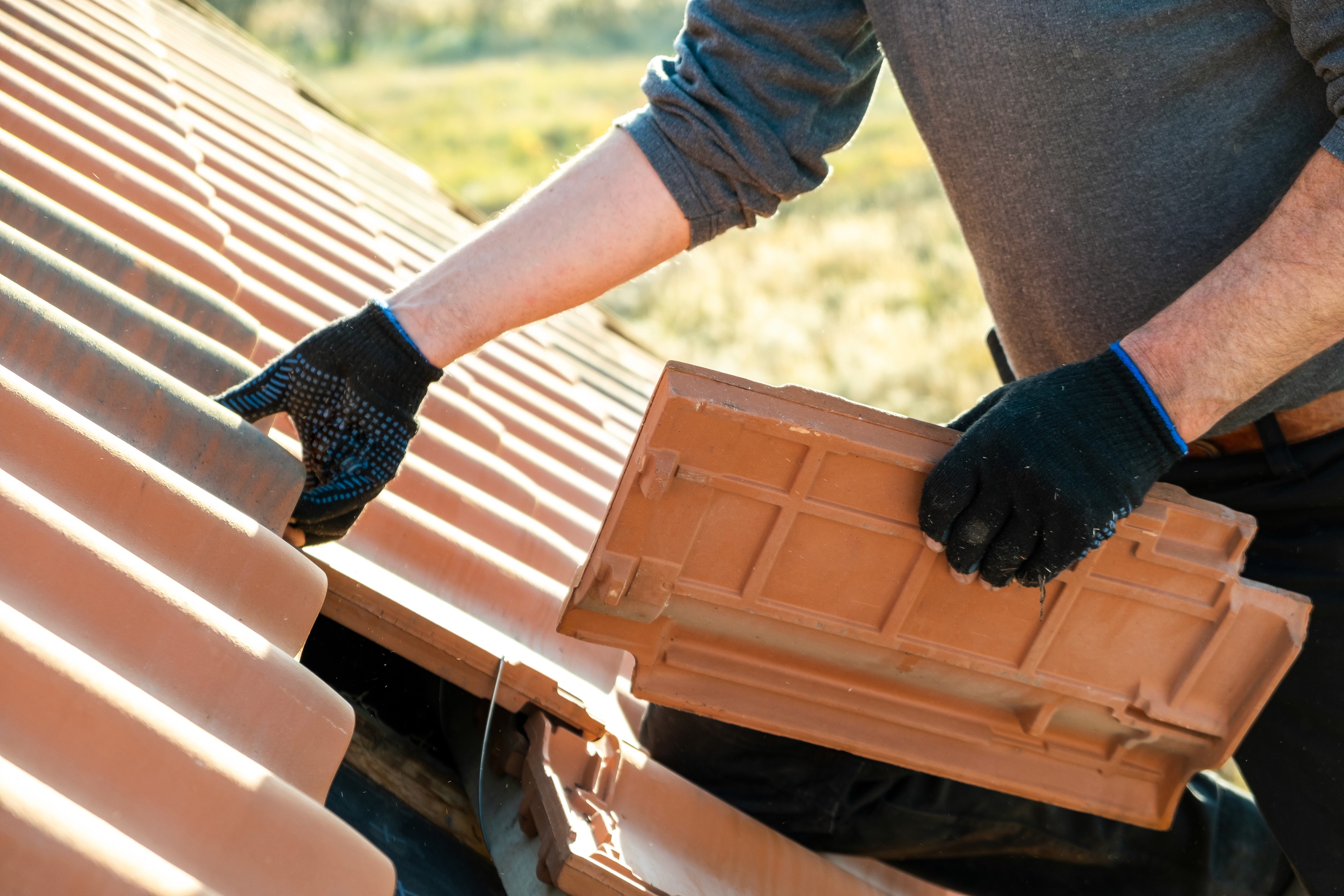
We install concrete and clay tile, standing seam metal, architectural shingles and flat-roof systems. The right choice depends on your roof’s slope and structure, how close you are to the bay, and — in a historic district — what the City’s preservation staff will approve. Every product we install carries a Miami-Dade NOA or Florida Product Approval.
WHY CHOOSE US
Why Miami Homeowners Call FTR
Licensed & Insured Roofer
Florida roofing license CCC1336502, insured for residential roofing. We pull your City of Miami permit under our license.
Leak Source Found & Photographed
We find where the water is really getting in, document your roof with photos, and give you a written estimate before any work starts.
Written Workmanship Warranty
In writing: 7 years on labor for re-roofs and 1 year on repairs. If our workmanship fails in that time, we come back and fix it under the warranty.
Bilingual Team, Miami Office
Hablamos español. Our office is at 2340 NW 27th Ave, Suite C, here in Miami.
REVIEWS
Reviews From FTR Customers on Google & Thumbtack
What our customers say
5.0 stars on Google and Thumbtack. Real customers, real roofs.
★★★★★
“We’d been burned by another roofing company that started the job, left us with open permits, and scammed us, so I was honestly nervous about trusting anyone new. Andre completely changed that. He was a true professional from day one, got all our permits back on track, and his team finished the roof beautifully.”
Larisa C. · Google review · Oct 2026
★★★★★
“The most amazing roofing company ever. Highly recommend!!!!!”
Heather H. · Verified Thumbtack review · Nov 2026
FAQ
Roofing Questions From Miami Homeowners
Do I need a permit to fix my roof in Miami?
Yes. The City of Miami says a building permit is required for all roofing work on homes and businesses, repairs included. As your licensed contractor, we apply through the City’s iBuild portal, upload the plans to ePlan and schedule the inspections. The City notes the first review cycle can take up to 14 business days.
My home is in a Miami historic district. What changes?
The City requires a Certificate of Appropriateness (COA) for work on historic properties. A roof replacement that uses the original historic materials is the City’s own example of work staff can review quickly as a Standard COA; bigger changes need a Special COA from the Historic and Environmental Preservation Board. We build the COA step into your timeline.
What does the High-Velocity Hurricane Zone mean for my roof?
The Florida Building Code defines the High-Velocity Hurricane Zone as Miami-Dade and Broward counties. Here, every roofing product needs a Miami-Dade NOA or Florida Product Approval, and the permit includes the HVHZ roofing forms. When an existing roof is replaced, Miami-Dade’s hurricane-mitigation rules can also call for roof-deck attachment upgrades and a secondary water barrier.
What should I do after a storm damages my roof?
Stay off the roof. From the ground, take photos of missing tiles or shingles, move belongings away from drips and catch water with buckets. Then call (754) 300-5300 for a free inspection. We photograph the damage, write up what needs fixing and give you a written estimate. We’re a retail roofer — you pay us directly for the work.
How long does a re-roof take in Miami?
Most homes take 1–3 days of work, after the permit is issued; tile and larger roofs can take longer. Permitting is the bigger variable — the City’s first review cycle can take up to 14 business days, and a historic COA adds a step. Your written estimate lays out the plan.